
Dhanbad, Jharkhand | 16 September 2026
In a significant step towards sustainable agriculture and environmental innovation, Rajeev Singh, Founder & Managing Director of Sansar Green, is leading a collaborative initiative with IIT (ISM) Dhanbad to convert dry leaves from the institute campus into nutrient-rich organic manure enriched with beneficial microorganisms.
The initiative reflects a shared vision of turning campus green waste into a useful agricultural resource through science, microbial technology and practical implementation.
Rajeev Singh Discusses Project with IIT (ISM) Leadership
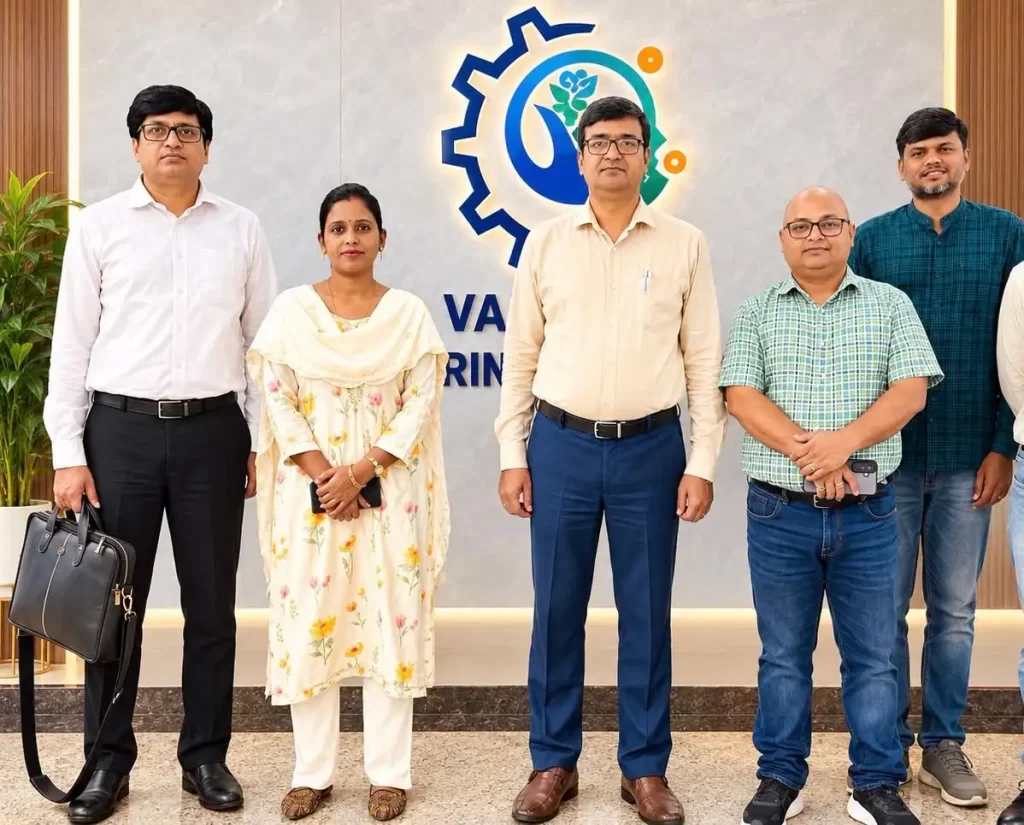
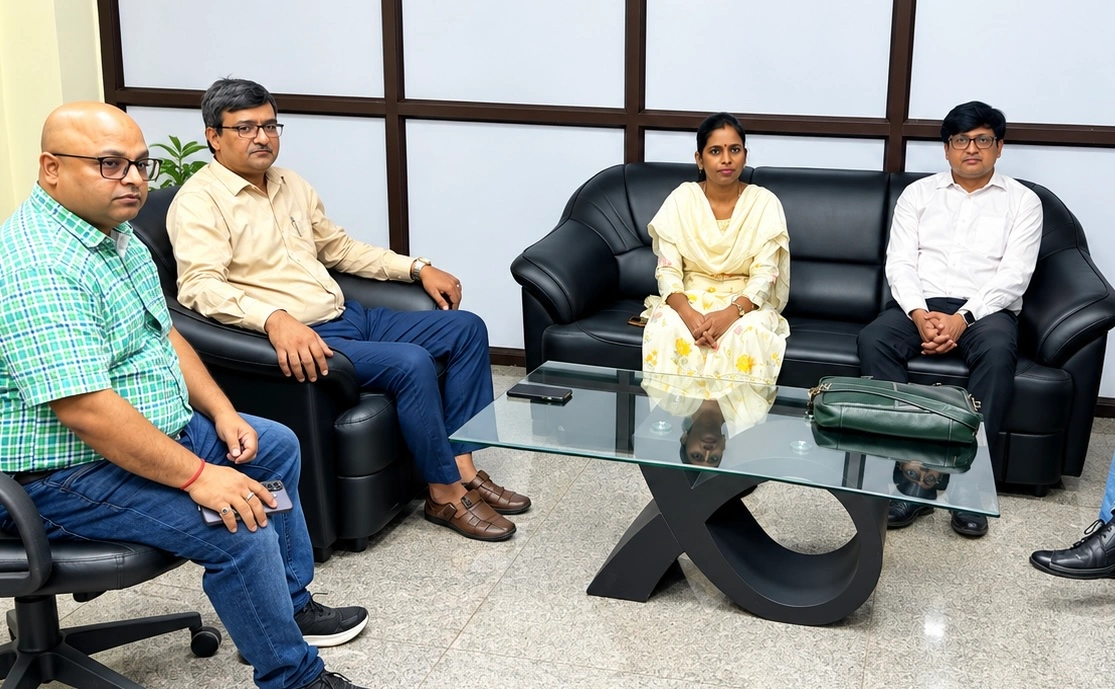
The proposed project was discussed in detail among Prof. Alok Kumar Das, Dean, CIIE, IIT (ISM) Dhanbad; Rajeev Singh of Sansar Green; Mrs. Anjana, District Agriculture Officer, Dhanbad; and Mrityunjay Sharma, Assistant Registrar, IIT (ISM) Dhanbad.
The discussion focused on developing a workable model for scientifically processing dry leaves and converting them into high-quality organic manure that can support soil health and sustainable farming.
From IIT Campus Waste to Valuable Agricultural Input
Under the proposed project, dry leaves collected from the IIT (ISM) Dhanbad campus will be scientifically decomposed and then enriched with nutrients and beneficial microorganisms.
The resulting manure may help improve soil organic matter, microbial activity, soil structure, moisture retention and root development, while also supporting efforts to reduce excessive dependence on chemical fertilisers.
For Rajeev Singh, the initiative represents a practical example of how scientific institutions and agri-enterprises can work together to create solutions with direct agricultural and environmental value.
Sansar Green to Invest in the Production Unit
A key feature of the proposed collaboration is the operational model.
Sansar Green will make the required investment in machinery, equipment, manpower, production and operations, while IIT (ISM) Dhanbad will provide the required space for setting up the production unit and storing the finished manure.
This arrangement combines IIT (ISM)’s institutional ecosystem with Sansar Green’s implementation and agricultural experience.
Benefits for Farmers and the Wider Community
The manure produced through the initiative is planned for use in the gardens, nurseries, plantations and landscaping areas of IIT (ISM) Dhanbad.
It is also proposed to be made available to farmers, nursery operators, gardening enthusiasts and the general public, extending the benefits of the project beyond the institute campus. Waste to Wealth Through Science and Agriculture
The project is strongly aligned with the Waste to Wealth concept.
Instead of treating dry leaves as waste or burning them, the initiative seeks to convert them into a productive organic resource, linking soil health, circular economy, environmental protection and sustainable agriculture.
If successfully implemented, the model could later be explored for adoption in educational institutions, government campuses, industrial areas, residential complexes and urban local bodies.
Building Practical Innovation with IIT (ISM) Dhanbad
For Rajeev Singh and Sansar Green, the initiative is an important step in strengthening collaboration with one of India’s leading technical institutions.
The project brings together IIT (ISM) Dhanbad’s academic and institutional ecosystem with Sansar Green’s focus on soil health, microbial technology and sustainable agriculture.
The larger objective is to show how simple environmental challenges can become scalable agricultural solutions through the right combination of research, entrepreneurship, and implementation.
“Innovation becomes meaningful when it moves from institutions to the field and creates practical value for farmers, soil and the environment.” — Rajeev Singh