
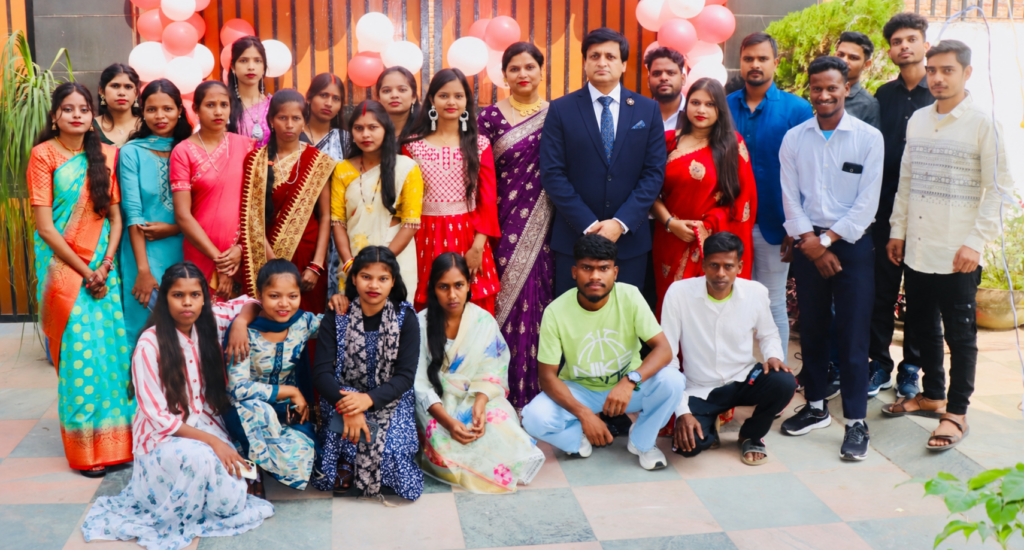
Giridih, Jharkhand: A new effort is taking shape to preserve the traditional knowledge of Adivasi communities and protect India’s rich heritage of medicinal plants. Rajeev Singh, environmentalist and agripreneur, is giving a new direction to the Hodopathy Conservation Campaign with a vision to document, preserve and promote the centuries-old plant-based knowledge of tribal communities.
The campaign focuses on an important but often overlooked issue: the gradual disappearance of traditional knowledge that has been passed down through generations of Adivasi communities. Many elders and traditional knowledge holders possess valuable information about medicinal plants, their identification, traditional uses and conservation. However, much of this knowledge remains undocumented and is at risk of being lost.
Recognising this concern, Rajeev Singh has taken the initiative to develop Hodopathy as a dedicated conservation and awareness movement.
A New Beginning for Hodopathy Conservation
An important milestone in this journey was achieved on 8 October 2026, when three dedicated websites – Hodopathy.org, Hodopathy.in and Hodopathy.com – were inaugurated at Giridih, Jharkhand.
The digital platforms have been developed with the objective of bringing traditional Adivasi knowledge into the public domain through responsible documentation and awareness. They will provide a platform to highlight medicinal plants, traditional practices, indigenous knowledge holders and the importance of protecting natural resources.
The inauguration also reflected the campaign’s commitment to connecting traditional communities with modern technology. The participation of an Adivasi elder in operating a laptop during the launch symbolised the importance of ensuring that tribal communities are active participants in this digital journey.
Preserving the Knowledge of Adivasi Communities
Hodopathy is closely associated with the traditional plant-based knowledge and practices of Adivasi communities. For generations, tribal elders and traditional healers have developed an understanding of local plants and their traditional applications through experience and knowledge passed down within their communities.
Today, changing lifestyles, environmental degradation and the declining connection between younger generations and traditional practices are creating challenges for the survival of this heritage.
Rajeev Singh believes that this knowledge deserves recognition and systematic preservation. The campaign aims to identify and connect with traditional knowledge holders, record their experiences and document information about medicinal plants with their consent and participation.
He also emphasises that the people who have preserved this knowledge for generations must receive proper recognition and that their cultural rights and contributions should be respected.
Connecting Traditional Knowledge with Scientific Research
Another important objective of the campaign is to create opportunities for collaboration between traditional knowledge holders and scientific institutions.
The initiative plans to connect with agricultural universities, research organisations, botanical experts and other relevant institutions to explore the scientific study of selected medicinal plants.
The idea is to bring traditional knowledge and modern research together through a responsible approach. Traditional practices will be documented as community knowledge, while scientific studies will independently examine the properties and potential applications of selected plants.
This approach can help create greater awareness about indigenous plant resources while encouraging their conservation.
Youth Participation and Medicinal Plant Awareness
The campaign also aims to involve young people in preserving this valuable heritage. Awareness programmes, knowledge-sharing activities, medicinal plant identification and conservation initiatives are among the proposed activities.
The objective is to encourage younger generations to learn directly from Adivasi elders and traditional knowledge holders.
The development of Hodopathy Park in Gandey is also connected with this broader vision. It aims to promote awareness about medicinal plants, indigenous biodiversity and the importance of conserving nature.
Rajeev Singh’s Vision for the Future
According to Rajeev Singh, the Hodopathy Conservation Campaign should develop beyond a website or a documentation project. It should become a meaningful movement that connects communities, nature, education and research.
The campaign will focus on five major areas:
- Documenting traditional Adivasi knowledge and the experiences of traditional healers.
- Identifying and promoting awareness about indigenous medicinal plants.
- Encouraging the younger generation to learn from traditional knowledge holders.
- Exploring scientific research and institutional collaborations.
- Protecting the rights, contributions and cultural heritage of indigenous communities.
The next phase of the initiative is scheduled for 5 December 2026, with plans to further strengthen community participation and conservation activities.
Protecting the Past, Inspiring the Future
The Hodopathy Conservation Campaign is an effort to ensure that the traditional knowledge of Adivasi communities does not disappear with time. It recognises that forests, medicinal plants and indigenous knowledge are closely connected and that protecting one also requires preserving the others.
Through this initiative, Rajeev Singh aims to create wider awareness, encourage responsible research and provide traditional knowledge holders with a platform where their experiences and contributions can be recognised.
The campaign carries a simple but important message: the knowledge preserved by generations of Adivasi communities is a valuable part of India’s heritage, and protecting it is a shared responsibility.
Hodopathy is envisioned as a bridge between traditional wisdom and future generations – keeping indigenous knowledge alive while encouraging respect for nature, biodiversity and community heritage.